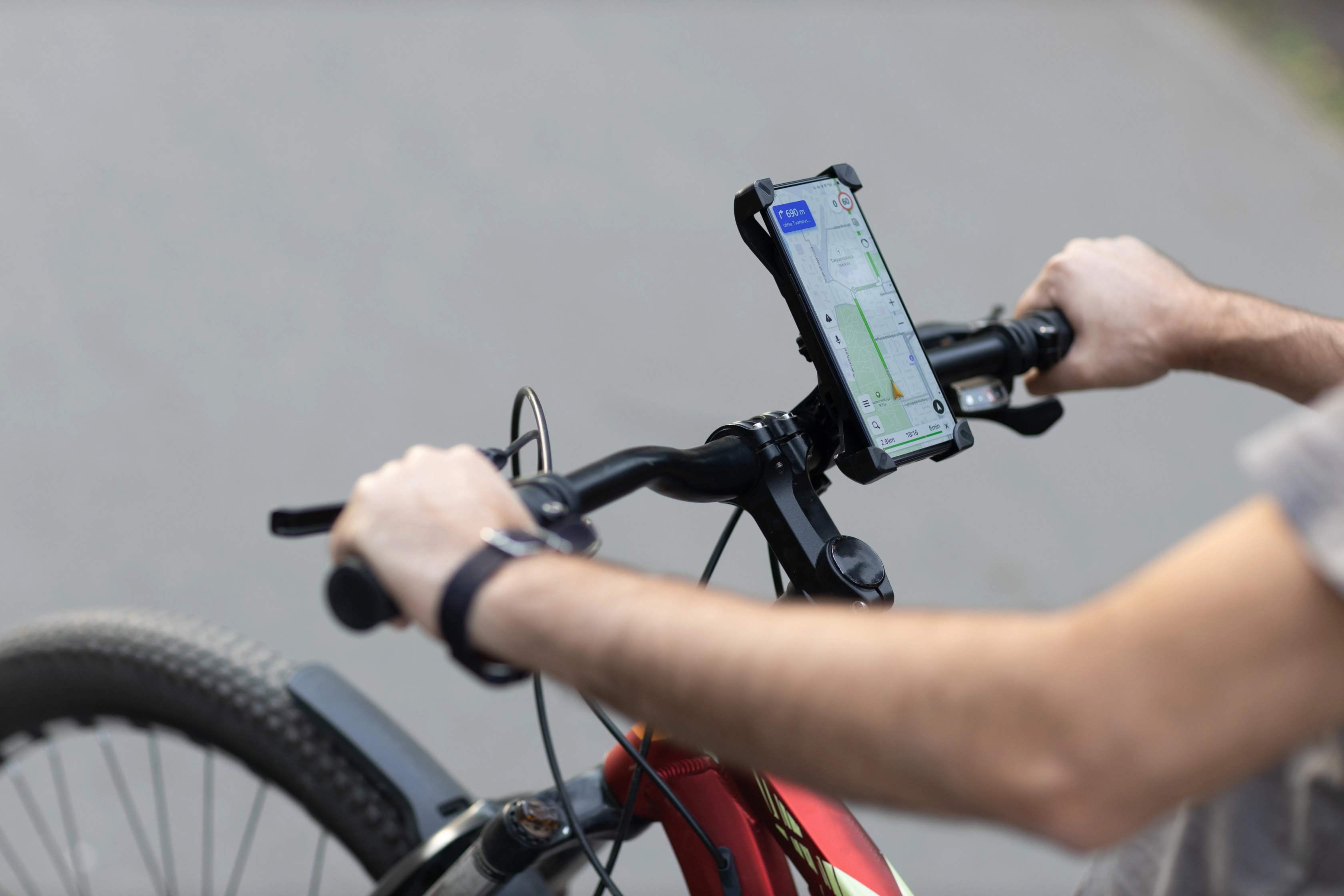

If you’ve ever looked down at your phone mid-ride and seen it shaking like it’s dancing on a trampoline, you already know the problem. A Bicycle Handlebar Mount is supposed to make cycling easier, not more stressful. Yet many riders end up dealing with wobbling screens, loose clamps, and constant readjustments instead of smooth navigation.
So why does this happen? And more importantly, how do you choose a Bicycle Handlebar Mount that actually stays stable when the road gets rough?
Let’s break it down step by step so you can avoid the frustration and pick a setup that actually works.

Why a Bicycle Handlebar Mount Starts to Rattle in the First Place
A Bicycle Handlebar Mount usually starts out feeling solid. But after a few rides, especially on uneven roads or trails, small vibrations begin to show up. At first, it might just be a tiny shake. Then it becomes a constant rattle that makes it hard to read your screen.
So what’s really happening here?
Most of the time, it comes down to three things: road vibration, loose-fitting parts, and phone weight. Roads are not as smooth as they look. Even normal city streets send constant microshocks through your handlebars. Over time, these tiny movements add up.
Another issue is slight looseness in the mount itself. Even a small gap between the clamp and the handlebar can turn into visible shaking. And when you add a heavy smartphone on top, the movement becomes even more obvious.
So if you’ve ever wondered why your Bicycle Handlebar Mount starts quiet but ends up noisy, it is usually a combination of these hidden forces working together.
But this leads to a bigger question. If vibration is unavoidable, how do some mounts stay perfectly stable?

What Makes a Bicycle Handlebar Mount Stable on Rough Roads
Not all mounts are built the same. A good Bicycle Handlebar Mount is designed to fight vibration instead of just holding a phone in place. The difference comes down to structure and design.
Stability usually starts with a strong clamp system. The tighter and more precise the fit around your handlebars, the less movement you get. But that is only part of the story. The shape and length of the mount also matter.
Long, flexible arms tend to amplify shaking because they act like levers. Shorter, rigid designs reduce that movement and keep your screen steadier.
Another important factor is locking strength. Some mounts use simple friction, while better ones use mechanical locking systems that physically prevent slipping. That difference becomes very noticeable on bumpy roads.
Now let’s look at two specific design elements that make a big difference.
The Role of Handlebar Clamps and Locking Systems
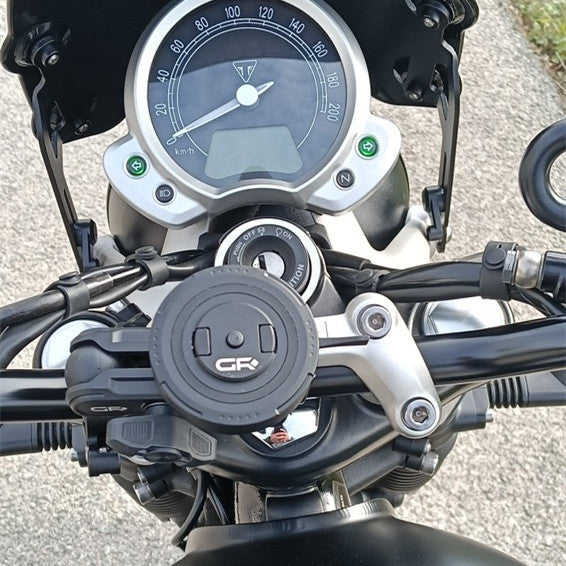
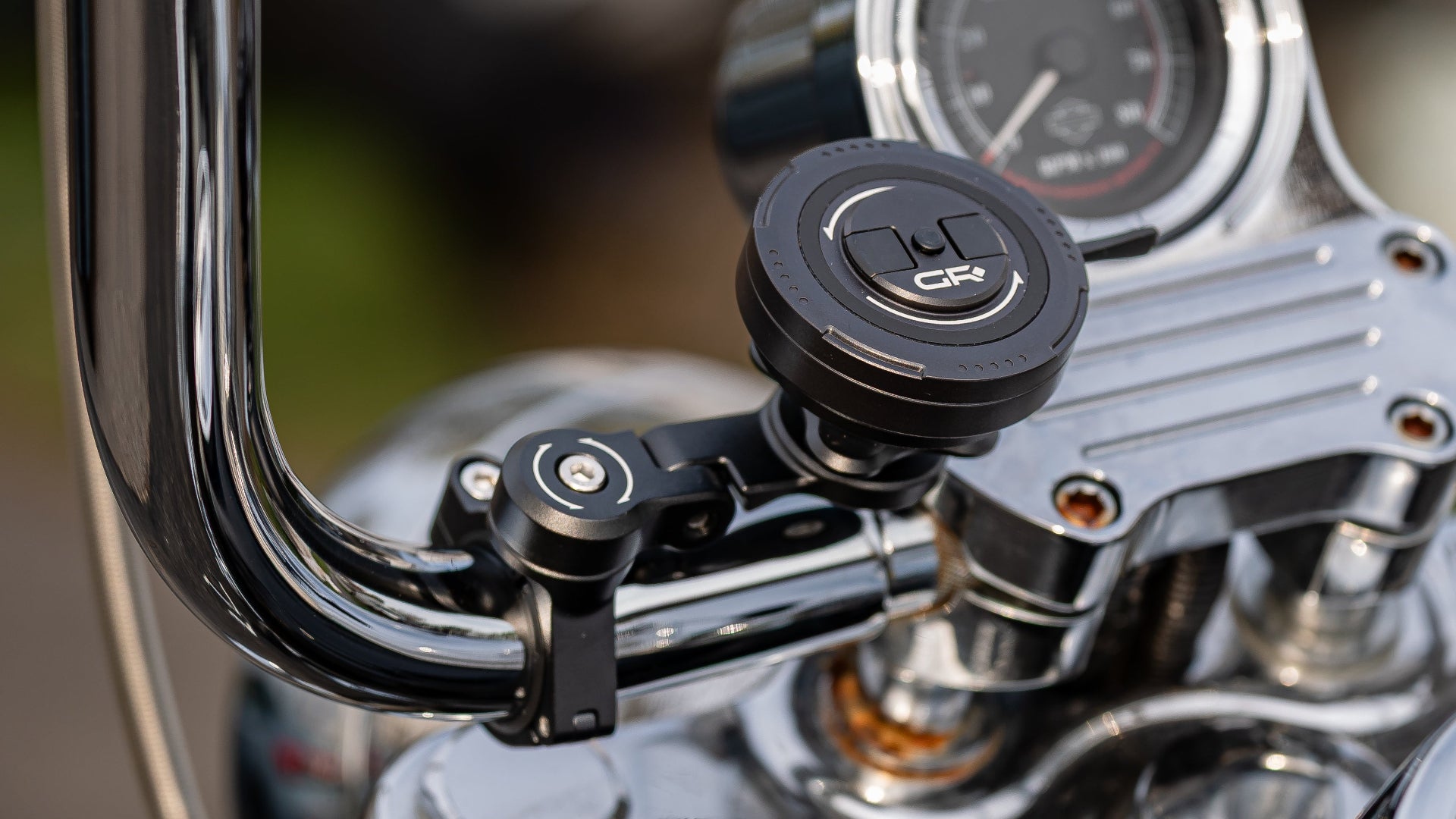
A strong clamp is the foundation of any reliable Bicycle Handlebar Mount. If the base is weak, everything above it will shake, no matter how good the design is.
Good clamps wrap tightly around the handlebars with even pressure. Some even use metal tightening systems instead of plastic alone. This reduces micro movement, which is often what causes rattling in the first place.
Locking systems also matter. Instead of relying on friction, they physically secure the phone holder in place. This makes it harder for vibrations to loosen the structure over time.

Why Shorter Mount Arms Reduce Vibration
The longer the arm, the more leverage vibration has to amplify movement. It is simple physics. A shorter arm keeps the phone closer to the handlebars, which reduces shaking.
That is why many performance-focused Bicycle Handlebar Mount designs look compact and tight rather than extended and flexible. Stability almost always wins over reach.
So now that structure makes more sense, what about the materials used in these mounts?
Materials That Make a Bicycle Handlebar Mount More Secure and Silent
The material of a Bicycle Handlebar Mount affects how it handles vibration. Some materials absorb shock better, while others simply transfer every bump directly to your phone.
Plastic mounts are common, but not all plastics are equal. Softer or cheaper plastics tend to flex more, which increases shaking. On the other hand, reinforced materials or metal builds are much more stable.
Let’s look at the most important material differences.
Aluminum Frames vs Reinforced Polymer
Aluminum is one of the most stable materials used in a Bicycle Handlebar Mount. It is strong, rigid, and does not flex easily under pressure. This makes it ideal for rough terrain and long rides.
Reinforced polymer, on the other hand, is lighter but slightly more flexible. While it can work well for casual rides, it may not perform as well on rocky or uneven surfaces.
In general, more rigid materials reduce vibration better because they do not bend or absorb uneven movement.
Why Silicone Padding Actually Matters
Silicone is often added to contact points on a Bicycle Handlebar Mount, and it is not just for grip. It plays an important role in absorbing high-frequency vibration.
Think of it as a small cushion between your phone and the metal or plastic frame. Without it, every bump travels directly into your device. With it, some of that energy gets absorbed instead of transferred.
Now that we understand materials, let’s think about something many riders overlook: the type of bike they are actually using.
How Different Bikes Affect Your Bicycle Handlebar Mount Choice
Not all cycling environments are the same. A Bicycle Handlebar Mount that works perfectly on a road bike might struggle on a mountain trail.
Road bikes usually deal with smaller but faster vibrations. Gravel bikes face mixed terrain, which creates unpredictable movement. Mountain bikes take the hardest hits with sudden shocks and drops.
This means your choice should match your riding style, not just your phone.
Road Cycling Needs
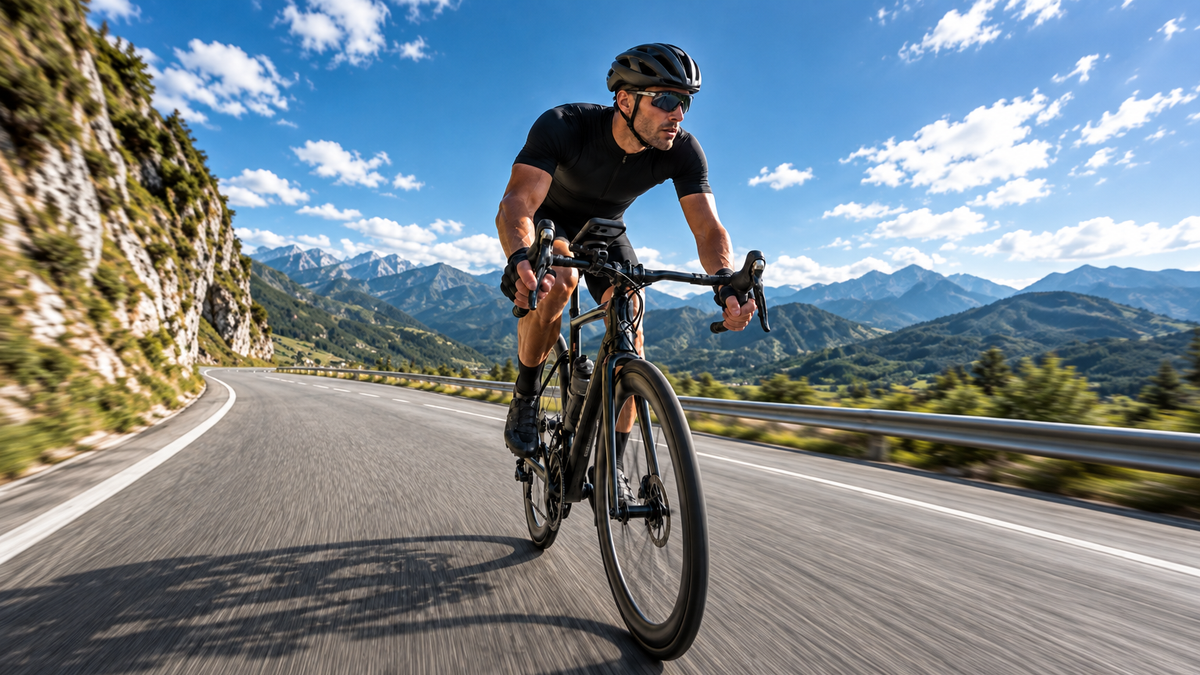
On road bikes, a Bicycle Handlebar Mount should focus on reducing small vibrations. Stability is still important, but the biggest issue is screen readability at higher speeds.
A compact and aerodynamic design works best here.
Mountain and Gravel Bike Demands
For rough terrain, a Bicycle Handlebar Mount must handle stronger impacts. That means stronger clamps, better locking systems, and improved shock absorption.
Without these features, the phone will constantly shift or shake.
But even with the right mount, people still make mistakes that cause instability. So what should you avoid?
Mistakes That Make Your Bicycle Handlebar Mount Shake More
One of the biggest mistakes riders make with a Bicycle Handlebar Mount is choosing based on price alone. Cheap mounts often skip important stability features.
Another common issue is overtightening plastic parts. This can actually weaken the structure and lead to cracks over time.
Long extension arms are another problem. They may look flexible and convenient, but they increase vibration dramatically.
Finally, many riders assume that rubber straps alone will solve vibration problems. While they help with grip, they do not fully absorb road shock.
So if your Bicycle Handlebar Mount is shaking, it might not be broken. It might just be the wrong setup.
But even if the mount is good, your phone itself plays a role too.
Phone Size, Weight, and Case Impact on Bicycle Handlebar Mount Stability
Modern smartphones are heavier than ever. A Bicycle Handlebar Mount has to support not just size but also weight distribution.
Large phones create more movement when exposed to vibration. The camera bump can also shift balance slightly, making the phone tilt during rides.
Thick protective cases help grip but add extra weight. That extra mass increases stress on the mount, especially on rough roads.
So the same Bicycle Handlebar Mount can behave very differently depending on the phone attached to it.
This brings us to another important piece of the puzzle: shock absorption systems.
Shock Absorption Features in a Bicycle Handlebar Mount That Actually Work
A good Bicycle Handlebar Mount does not just hold your phone. It manages energy from the road.
Different systems help reduce vibration in different ways.
Spring-loaded mechanisms absorb vertical shock. Silicone inserts reduce high-frequency vibration. Elastomer pads isolate movement between the handlebar and the mount. Some designs even allow controlled micro movement so the phone is not fully rigid.
When these systems work together, the result is a much smoother viewing experience.
But even the best technology only works if you choose the right mount for your riding style.
How to Choose the Right Bicycle Handlebar Mount for Your Riding Style
At this point, everything comes together. Choosing a Bicycle Handlebar Mount is not just about design or price. It is about matching your riding habits with the right features.
If you commute in the city, you may prioritize convenience and moderate vibration control. If you ride gravel or mountain trails, stability becomes the most important factor. If you ride fast on roads, compact design and airflow may matter more.
The best Bicycle Handlebar Mount is the one that balances rigidity, damping, and secure locking without overcomplicating things.
So instead of asking “which mount is the best,” a better question is “which mount fits how I ride?”
Why Choose GRxplore for Your Bicycle Handlebar Mount
By now, you know that not every Bicycle Handlebar Mount is built to handle real riding conditions. So why choose GRxplore?
At GRxplore, the focus is simple: stability you can trust when it matters most. Every Bicycle Handlebar Mount is designed with real riders in mind, not just lab testing. That means paying close attention to the small details that make a big difference on the road or trail.
First, our mounts are built with a strong, secure clamping system that minimizes unwanted movement right from the base. A solid foundation is what keeps your phone steady, even when the terrain is not. Second, we combine rigid materials with smart vibration control, so your Bicycle Handlebar Mount does not just hold your phone, it actively reduces shake.
We also understand that every ride is different. Whether you are commuting, exploring gravel paths, or pushing through rough trails, our designs aim to balance durability, ease of use, and long-term reliability.
Choosing a Bicycle Handlebar Mount is not just about holding your phone. It is about riding with confidence, knowing your setup will not let you down when you need it most.
Conclusion
A Bicycle Handlebar Mount should make riding easier, not distract you with constant shaking. Once you understand what causes vibration, it becomes much easier to avoid bad designs and choose something that actually performs well.
From clamp strength to material choice, from phone weight to riding terrain, every detail plays a role in stability. When all these factors work together, your screen stays clear and steady even on rough rides.
If you are currently dealing with a shaky setup or you are not sure which Bicycle Handlebar Mount fits your bike, it might be worth looking at options that are designed specifically for stability and real-world riding conditions.
At GRxplore, we focus on building gear that holds up when the road gets unpredictable. If you want help choosing the right setup or have questions about compatibility, feel free to reach out to us. We are always happy to help you get a setup that actually works on the road, not just on paper.
FAQs
Q: Will a Bicycle Handlebar Mount fit all bikes?
Most mounts are adjustable, but handlebar diameter matters. Always check compatibility before buying.
Q: Can a Bicycle Handlebar Mount damage my phone?
Not if it is well-designed. A good mount includes padding or shock absorption to reduce vibration impact.
Q: Is a Bicycle Handlebar Mount safe for rough terrain?
Yes, but only if it has a strong clamp and proper locking system. Basic mounts may struggle on trails.
Q: Do I need tools to install a Bicycle Handlebar Mount?
Some mounts are tool-free, while others require simple tightening. Both can be secure if installed correctly.
Q: Why does my Bicycle Handlebar Mount still shake?
It could be due to loose installation, phone weight, or a design that lacks vibration control features.