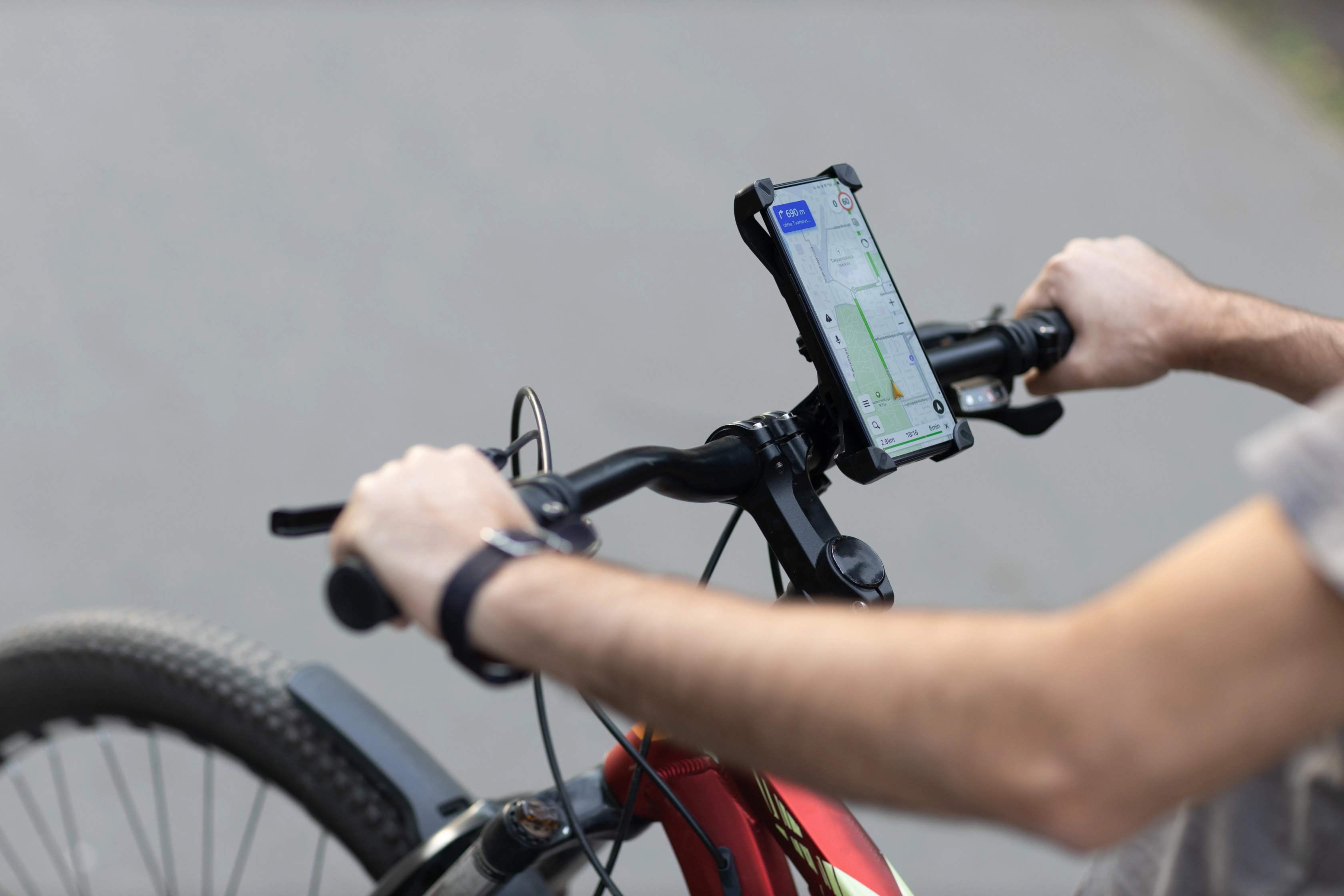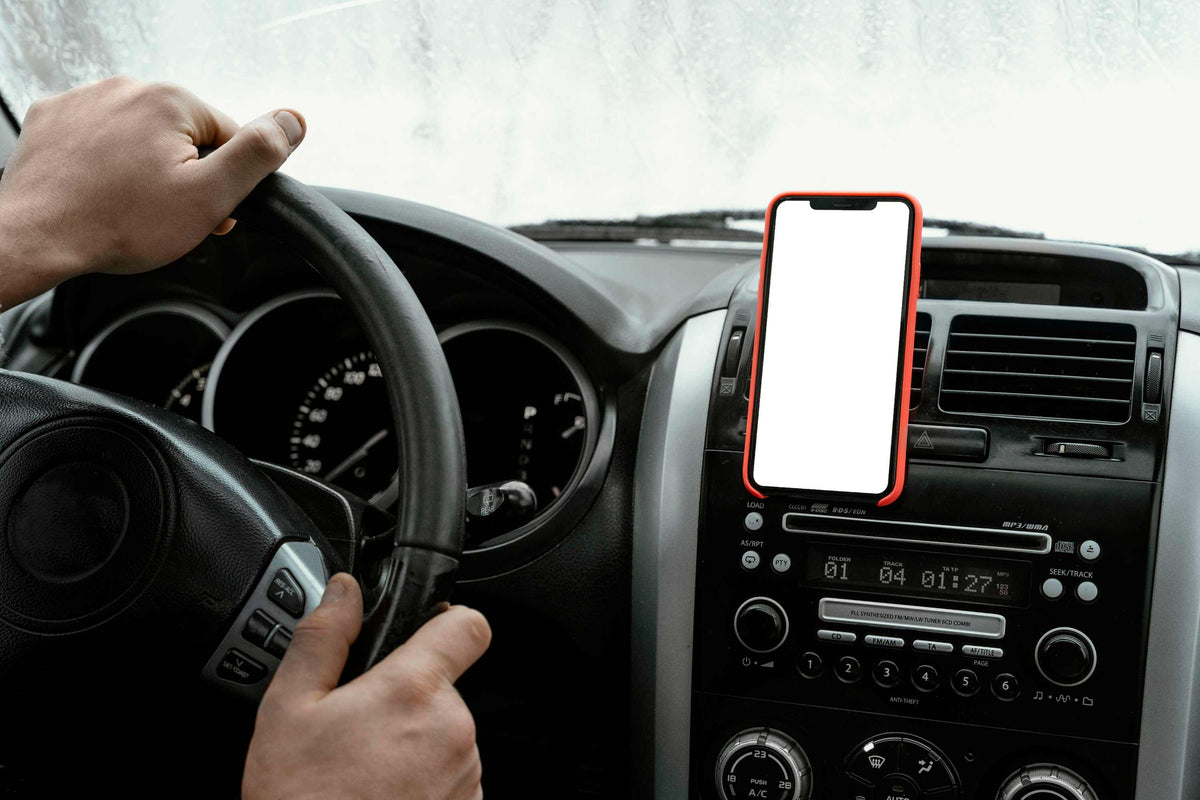
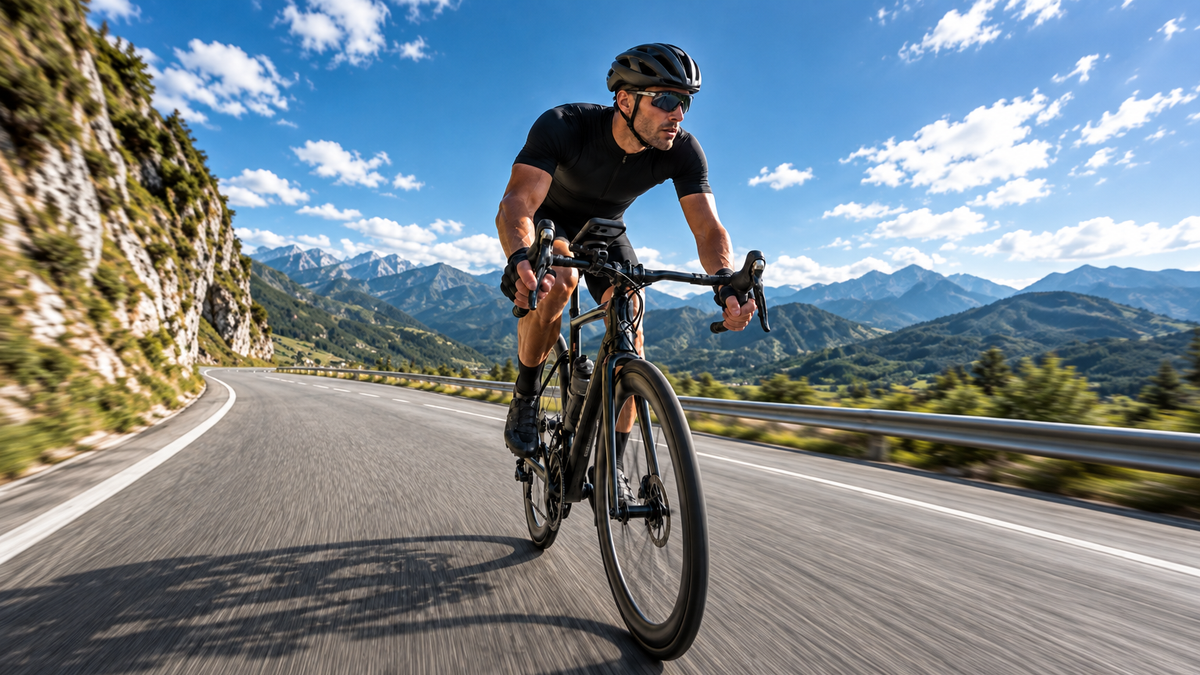

When you spend enough time riding through rough roads, wet trails, or long-distance routes, you start to notice something important. Not all gear is built the same. One of the most overlooked but essential pieces is the Bicycle Handlebar Mount. It may look simple at first, just a small attachment for your phone, GPS, or camera, but once you ride through mud, heavy rain, or uneven gravel, its real value becomes clear.
A weak mount can shake loose, tilt mid-ride, or even break when you need it most. That is why choosing the right Bicycle Handlebar Mount is not just about convenience, but about safety and reliability on the road. Have you ever been halfway through a ride and realized your device is slowly slipping out of place?
That moment is exactly why understanding mounts matters.
In this guide, we will break everything down in a simple way. You will learn what makes a Bicycle Handlebar Mount strong, how different materials behave, why some designs fail, and how to choose one that survives real-world riding conditions. By the end, you will know exactly what to look for before buying.
What Makes a Bicycle Handlebar Mount Strong Enough for Rough Rides?
A Bicycle Handlebar Mount faces more stress than most riders realize. It is not just holding your device; it is constantly dealing with vibration, shock, weather, and movement. When riding on gravel or uneven roads, even small bumps can slowly weaken a poor-quality mount.
So, what actually makes a Bicycle Handlebar Mount strong enough?
The answer comes down to stability, grip, and resistance to environmental stress. A good mount should not shift when pressure is applied, even during sudden stops or sharp turns. It should also hold its position during long rides without needing constant adjustment.
Think about this: if your ride takes you through rain and muddy terrain, how confident are you that your mount will still hold firm after an hour?
Stability Under Continuous Vibration
One of the biggest challenges for any Bicycle Handlebar Mount is vibration. Every bump in the road sends small shocks through the handlebars. Over time, weak mounts start to loosen or rotate. Strong designs absorb or resist this movement instead of reacting to it.
Weather Exposure and Real Conditions
Rain and mud are not just surface problems. They slowly affect joints, screws, and clamps. A reliable Bicycle Handlebar Mount is designed to resist moisture while keeping its structure tight even in wet conditions.

Bicycle Handlebar Mount Materials That Actually Last in Harsh Weather
When choosing a Bicycle Handlebar Mount, material matters more than most people think. It determines how long the mount will last and how well it handles pressure.
Cheaper mounts often use basic plastic, which may seem fine at first but tends to crack or weaken over time. On the other hand, higher quality options use stronger materials designed for long-term durability.
So what should you look for?
Aluminum and Reinforced Builds
Aluminum is one of the most trusted materials for a Bicycle Handlebar Mount. It is lightweight but extremely strong. It also resists rust, which makes it ideal for rainy environments.
Why Hybrid Materials Perform Better
Many modern mounts combine metal with reinforced plastic. This gives the Bicycle Handlebar Mount both strength and flexibility. The metal handles stress while the plastic absorbs vibration.
Have you ever noticed how some mounts feel solid even on rough trails while others start wobbling quickly? That difference usually comes from the material design.
Why Some Bicycle Handlebar Mount Designs Fail on Long-Distance Rides
A Bicycle Handlebar Mount can look strong but still fail during long rides. Why does this happen?
The problem often lies in design, not appearance. Some mounts rely too heavily on friction or rubber tension instead of secure locking systems. Over time, these weaken.

When you are halfway through a long ride, the last thing you want is to constantly adjust your setup.
Weak Locking Systems
A major failure point in many Bicycle Handlebar Mount designs is the locking mechanism. If it depends only on tightening by hand, it may slowly loosen with vibration.
Small Design Flaws That Become Big Problems
Even a slightly uneven clamp or poorly placed screw can cause long-term instability. A strong Bicycle Handlebar Mount distributes pressure evenly instead of focusing stress on one point.
Bicycle Handlebar Mount Types: Which One Works Best for You?
Not all riders use a Bicycle Handlebar Mount in the same way. Some use it for phones, others for GPS devices, and some for action cameras. Each type has strengths and weaknesses.
Understanding these differences helps you avoid choosing the wrong setup.
Phone Mounts vs GPS Mounts
Phone mounts are very common, but they are also more vulnerable. A Bicycle Handlebar Mount for phones must deal with device size variation and weight differences. GPS mounts, on the other hand, are usually more stable because they are designed specifically for cycling devices.
Action Camera Mounts in Real Conditions
Action camera setups require a rigid Bicycle Handlebar Mount because even small vibrations can affect video quality. Stability is more important than flexibility in this case.
Have you ever thought about how your riding style should influence your mount choice?
How Mount Position Affects a Bicycle Handlebar Mount in Real Conditions
Where you place your Bicycle Handlebar Mount changes how it performs. This is something many riders overlook.
Mounting it far from the center of the handlebars increases vibration and movement. A central position, closer to the stem, usually provides better stability.
Center Mounting for Better Control
A centrally placed Bicycle Handlebar Mount reduces pressure and keeps weight evenly balanced. This helps reduce shaking during rough rides.
Edge Mounting Risks
When a mount is placed on the outer edges of the handlebars, even small bumps can create stronger movement. Over time, this can loosen the Bicycle Handlebar Mount.
Bicycle Handlebar Mount Problems Most Riders Don’t Notice Early
Not all problems appear immediately. A Bicycle Handlebar Mount can seem fine for weeks before showing signs of weakness.
This is why regular inspection is important.
Slow Loosening Over Time
One of the most common issues is gradual loosening. A Bicycle Handlebar Mount may feel secure at first but slowly shift during long rides.
Hidden Wear and Tear
Rubber grips, screws, and joints all wear down over time. Even a strong Bicycle Handlebar Mount needs occasional checking to stay reliable.
Have you ever realized something was wrong only after it failed mid-ride?
Are Expensive Bicycle Handlebar Mount Options Really Worth It?
Many riders wonder if spending more on a Bicycle Handlebar Mount is really worth it. The answer depends on how and where you ride.
Cheaper mounts may work for casual cycling, but they often struggle under pressure. Premium options are built to handle stress, weather, and long-term use.
Budget vs Premium Performance
A budget Bicycle Handlebar Mount might save money upfront, but it may need replacing sooner. Premium mounts often last longer and perform better under harsh conditions.
Long-Term Value Over Short-Term Savings
If you ride frequently or in rough environments, investing in a stronger Bicycle Handlebar Mount can actually save money over time.
Best Ways to Choose a Reliable Bicycle Handlebar Mount for All Conditions
Choosing the right Bicycle Handlebar Mount becomes easier once you know what to look for.
Start with strength, then think about stability, and finally consider compatibility with your device.
Key Features to Look For
A reliable Bicycle Handlebar Mount should include secure locking, weather resistance, and vibration control. These features help it survive real-world riding conditions.
What Serious Cyclists Prioritize
Experienced riders often choose mounts that focus on stability over flexibility. A solid Bicycle Handlebar Mount should feel like part of the bike, not an attachment.
What Really Separates a Reliable Bicycle Handlebar Mount from the Rest?
Before we talk about why certain options stand out, it is important to understand a simple truth. Most riders do not notice the difference between a good and a bad Bicycle Handlebar Mount until something goes wrong on the road. At first glance, many mounts look similar. They may even feel solid when you install them in your garage or during a short ride around the block. But real riding conditions are a completely different test.
Think about what happens when you are riding through uneven gravel, sudden rain, or muddy trails. Your handlebars are constantly vibrating, your bike is absorbing shocks, and every small bump sends force directly into your mount. A weak Bicycle Handlebar Mount might hold up for a while, but over time, small issues start to show. It might slowly rotate out of position, loosen at the joints, or struggle to keep a firm grip on your device.
Another important factor is how the mount behaves after repeated use. A lot of low-quality designs rely on simple tightening systems or soft rubber grips. These might feel secure at first, but they lose effectiveness as dirt, water, and pressure build up. Once that happens, even a short ride can become frustrating because you are constantly adjusting your setup instead of focusing on the road.
A strong Bicycle Handlebar Mount, on the other hand, is designed with long-term stability in mind. It does not just survive one ride; it stays consistent over hundreds of miles. It resists vibration, holds its position under pressure, and performs reliably even when conditions are far from perfect.
So before choosing any option, it is worth asking yourself one question. Do you want something that simply works at the start, or something that continues to work when the ride gets tough?
Conclusion
At first, a Bicycle Handlebar Mount may seem like a small accessory. But once you start riding through rain, mud, and long-distance routes, its importance becomes clear. It protects your devices, improves your ride experience, and keeps you focused on the road instead of worrying about equipment failure.
The key is not just choosing any mount, but choosing one that matches real riding conditions. Strength, stability, and design all play a role in how long your Bicycle Handlebar Mount will last.
If you are unsure which option fits your riding style or want help finding something that can truly handle tough conditions, you can reach out to us at GRxplore. We are always happy to help you choose gear that actually works when the ride gets difficult.
Frequently Asked Questions
1. What is a Bicycle Handlebar Mount used for?
A Bicycle Handlebar Mount is used to securely hold devices like phones, GPS units, lights, or action cameras on your bike’s handlebars for easy access while riding.
2. Are all Bicycle Handlebar Mounts universal?
Not all. Some Bicycle Handlebar Mount designs are universal, but many are made for specific devices or handlebar sizes, so compatibility matters.
3. Will a Bicycle Handlebar Mount stay secure in rain?
A high-quality Bicycle Handlebar Mount should resist rain, but cheaper models may loosen or slip when exposed to water and mud.
4. Can I use a Bicycle Handlebar Mount on rough trails?
Yes, but only a durable Bicycle Handlebar Mount with strong locking and vibration resistance is suitable for rough or off-road riding.
5. What is the best material for a Bicycle Handlebar Mount?
Aluminum and reinforced nylon are commonly used because a Bicycle Handlebar Mount made from these materials lasts longer and resists weather damage.
6. Why does my Bicycle Handlebar Mount keep loosening?
This usually happens due to weak clamps or vibration. A better-quality Bicycle Handlebar Mount will hold tension more effectively.
7. Can a Bicycle Handlebar Mount damage my phone?
If poorly designed, yes. A secure Bicycle Handlebar Mount reduces vibration and prevents unnecessary movement that can harm devices.
8. How do I install a Bicycle Handlebar Mount correctly?
A Bicycle Handlebar Mount should be tightly secured to the center or stable part of the handlebars using proper tools if required.
9. Do expensive Bicycle Handlebar Mounts perform better?
Often yes. A premium Bicycle Handlebar Mount usually offers better materials, locking systems, and durability.
10. How long does a Bicycle Handlebar Mount last?
A well-made Bicycle Handlebar Mount can last several years if properly maintained and used under normal cycling conditions.